[Talk] Elixir-FR online Elixir meetup may 2026 - a modular monolith with hot code loading
Here is the content of my talk at the Elixir-FR meetup that took place on monday, may 18th on Discord. It is literally a copy-paste of the slides made with sli.dev, into a .mdx blog post. How convenient is this plaintext era ?
Modulariser mon monolithe avec le Hot code loading
Vous utilisez déjà le hot code loading !
Dans iex, avec recompile/l/c/r
iex> recompile
:ok
Un fichier ~/foo.ex
defmodule Foo do
  def bar(), do: "hello"
end
iex> c "foo.ex"
[Foo]
iex> Foo.bar()
"hello"
Nos outils pour charger un module dans un noeud
Codemanipule le compilateur Elixir:codeest le serveur de code du noeud pour charger/lister/purger des modules
Note : les upgrades d’état via le callback GenServer code_change/3 sont un problème que je me suis épargné.
Mon besoin :
- Développer des features par-client
- Déployer on-prem certains contrats
- Garder une release et un monorepo uniques
- Pas d’umbrellas pour cet usage
Quelques conventions :
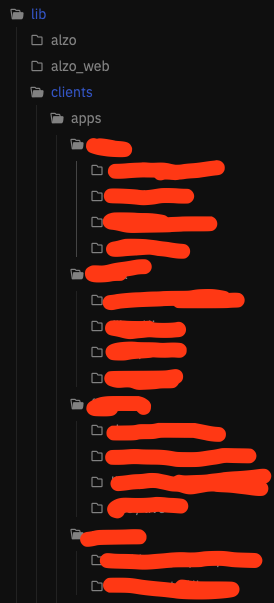
- code client dans /lib/clients/apps/<client>/<app>
- point d’entrée
Alzo.Clients.Apps.Client.AppEntry- ce module est un LiveComponent
- et implémente
@behaviour Alzo.Clients.DynamicApp
DynamicApp = Quelques métadonnées + un point d’entrée pour l’UI
defmodule Alzo.Clients.Apps.Xxx.ArchicadImportEntry do
  use AlzoWeb, :live_component
  @behaviour Alzo.Clients.DynamicApp

  @impl true
  def dev_path, do: "xxxxx_archicad_import"

  @impl true
  def capabilities, do: :none

  @impl true
  def friendly_name, do: "Xxxx / Import ArchiCAD"

  alias Alzo.Clients.Apps.Xxx.ArchiCADImport.State, as: State
  alias Alzo.Clients.Apps.Xxx.ArchiCADImport.Importer, as: Importer
  alias Alzo.Clients.Apps.Xxx.ArchiCADImport.SaxyParser, as: Parser

  @impl true
  def mount(socket) do
    {:ok,
     socket
     |> assign(:state, State.new())
    }
  end
Test dans la codebase, y compris en CI :
mix test
# ou spécifiquement
mix test lib/clients/apps/xxxx/archicad ...
Puis, au moment de release :
RUN rm -rf lib/clients/apps && rm -rf test/clients

RUN MIX_ENV=prod mix compile && \
    MIX_ENV=prod mix release
Une fois construit, il ne reste rien du code client.
Implications :
Alzo.Clients.Apps.Client.AppEntryappelleAlzo.Context.context_function/1, pas l’inverseAlzo.Clients.Apps.Client.FooAppModulen’appelle pasAlzo.Clients.Apps.Client.BarAppModule
Helper : mix run --no-mix-exs check_abstractions_usage.exs :
    # ... règles d'architecture ...
    {:error, "Alzo.Clients.",
      scope: "lib/alzo/**/*.ex",
      whitelist: ["lib/alzo/application.ex", "lib/alzo/apps/app.ex"],
      hint: "Never reference Alzo.Clients.* from core"},

    {:error, "Alzo.Clients.",
      scope: "lib/alzo_web/**/*.ex",
      whitelist: [],
      hint: "Never reference Alzo.Clients.* from web"},
2 chemins différents : en dev
Charger les applications
  use Application

  @impl true
  def start(_type, _args) do
    children =
      [
        Alzo.Repo,
        Alzo.DynamicSupervisor,
        ...
      ]

    load_dynamic_apps()
    Supervisor.start_link(children, opts)
  end

  if Mix.env() == :prod do
    def load_dynamic_apps, do: :ok
  else
    def load_dynamic_apps do
      Alzo.Clients.DynamicApp.load_dynamic_modules()
    end
  end
@spec load(binary()) :: :ok
defp load(dir) do
  files = File.ls!(dir)
  entrypoints = Enum.filter(files, &entry?/1)
  dirs = Enum.filter(files, &dir?/1)
  Code.put_compiler_option(:ignore_module_conflict, true)

  for entry <- entrypoints do
    Code.compile_file(Path.join(dir, entry))
    |> Enum.each(fn {module, _} ->
      Code.ensure_loaded?(module)
      Logger.info("Dynamically loaded #{module}")
    end)
  end

  Code.put_compiler_option(:ignore_module_conflict, false)

  for subdir <- dirs do
    load(Path.join(dir, subdir))
  end

  :ok
end
Énumérer les applications
  def get_dynamic_dev_apps() do
    :code.all_available()
    |> Enum.filter(fn {name, _, _} ->
      dynamic_dev_app?("#{name}")
    end)
    |> Enum.map(fn {mod, _, _} -> to_map(:"#{mod}") end)
  end


  def to_map(module) do
    %{
      module: module,
      path: module.route_path(),
      friendly_name: module.friendly_name(),
      capabilities: module.capabilities(),
      url_template: module.url_template()
    }
  end
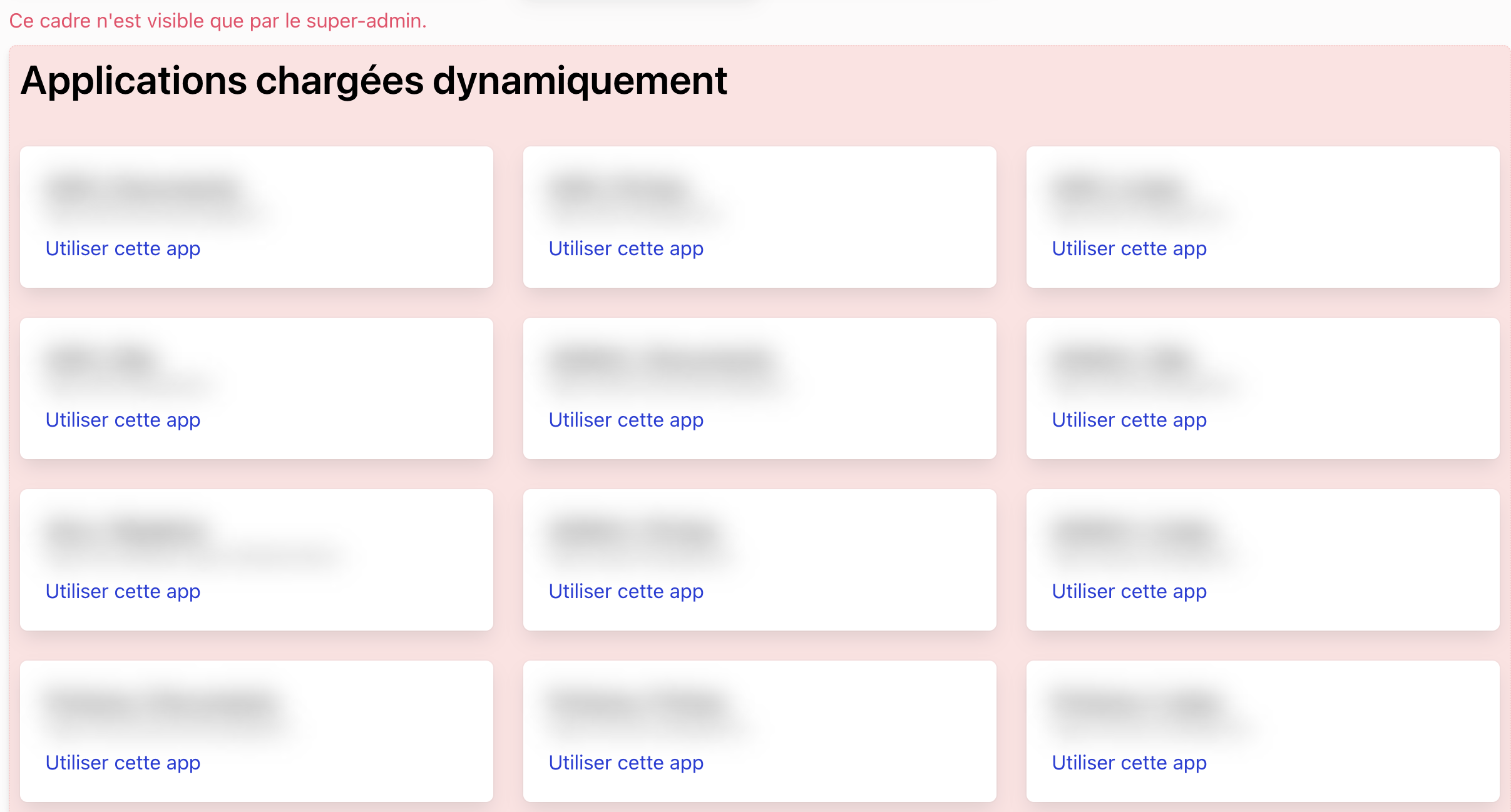
2 chemins différents : en prod
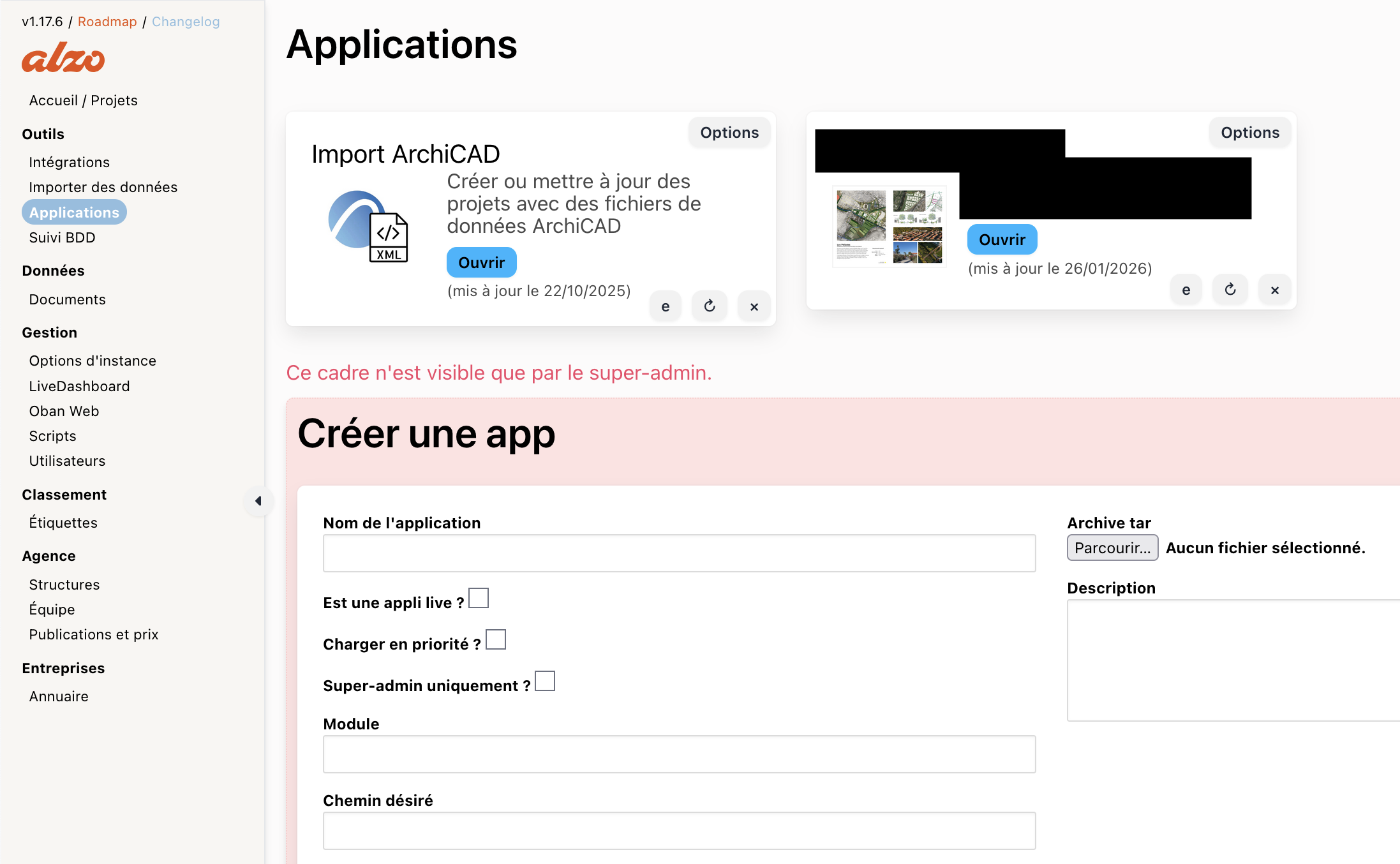
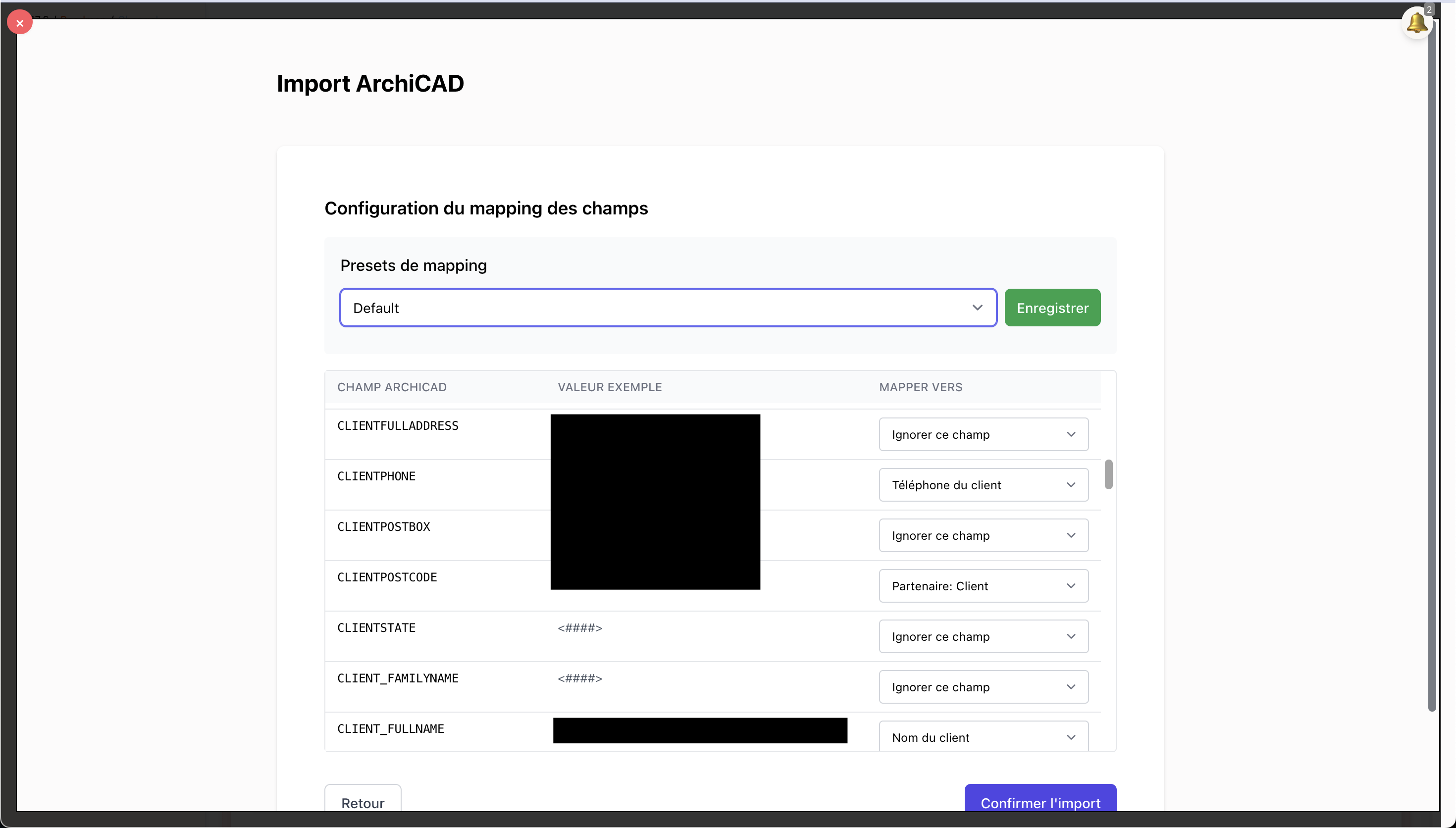
Gestion :
mix alzo.app.package client/appproduit un .tar.gz- uploadé via une interface d’administration
- pour créer ou mettre à jour une app existante
- métadonnées en DB + code dans s3
Chargement :
- au boot,
Alzo.AppCompilerrafraîchit les apps et charge les modules par noeud - une app créee sur un noeud après le boot est chargée à la première ouverture sur un autre noeud
- une mise à jour d’app broadcast
{:app_updated, ...}dans le cluster - si besoin de process persistants : link à la liveview / link via Alzo.DynamicSupervisor / link via Horde
defmodule Alzo.AppCompiler do
  use GenServer

  def init() do
    AppNotifier.subscribe()
    if prod?(), do: send(self(), :compile_all_apps)
    {:ok, %{}}
  end

  def handle_info({:app_updated, app_id}, state) do
    app = App.get!(app_id)
    App.invalidate_app_cache(app.disk_path)
    compile_app(app)
    {:noreply, state}
  end

  def compile_app(app) do
    {_app, dir} = App.get_live_app_files(app)
    files = Path.wildcard(Path.join(dir, "*.ex"))
    module = Enum.map(files, &Code.eval_file/1) |> find_entrypoint()
    if function_exported?(module, :persistent_setup, 0), do: module.persistent_setup()
    module
  end
defmodule AlzoWeb.ApplicationLive do
  use AlzoWeb, :live_view

  # GET /live/apps_live/:url
  def mount(%{"url" => url}, _session, socket) do
    module = load_app(socket.assigns.current_scope, url)
    {:ok, assign(socket, dynamic_module: module, dynamic_id: "app-#{url}")}
  end

  defp load_app(scope, url) do
    case App.get_live_app_from_url(scope, url) do
      {app, _dir} ->
        Alzo.Apps.AppCompiler.compile_app(app)

      nil ->
        ...
    end
  end

  def render(assigns) do
    ~H"""
    <.live_component module={@dynamic_module} id={@dynamic_id} {assigns} />
    """
  end
end
Vous utilisez déjà peut-être le hot code loading ! (bis)
- le code reloader de Phoenix
- Livebook — chaque cellule est du code compilé et évalué dans le noeud
- en développement avec Nerves ?
Après 3 ans avec
Avantages pour moi :
- Simple à tester
- Simple à mainliner
- Isolation simple adaptée à mes déploiements on-prem
- Pas de dérive entre le core et les apps
Inconvénients :
- Un peu plus de cérémonie depuis mon cluster
- Incite à personnaliser, ce qui ne scale pas
- Léger couplage à Liveview
Aujourd’hui, je m’en éloigne mais avoir cette malléabilité en prod m’a beaucoup aidé.
Tous les outils sont dans le runtime et cela n’est pas si exotique !
Documentation :
- https://hexdocs.pm/elixir/Code.html
- https://www.erlang.org/doc/apps/kernel/code.html
- https://www.erlang.org/doc/system/code_loading.html
Un exemple de système live ou le code est rechargé en permanence :
- Bryan Hunter — Waterpark: Distributed Actors vs the Pandemic : https://www.youtube.com/watch?v=9qUfX3XFi_4
- https://www.erlang.org/doc/system/appup_cookbook.html (hot upgrades OTP)